
Become a Kiwa PVEL Premium Partner
Receive more detailed Scorecard data every quarter, sent directly to your inbox.
Since 2012, Kiwa PVEL's Product Qualification Program has focused on benchmarking PV module reliability and performance. Our PQP reports and results support informed solar procurement and investment decisions. Discover more about PV module components, our testing methods and scoring of PV modules.

Top Performers are listed in the Scorecard by model type with a unique bill of materials (BOM) designator that represents the specific BOM combination that Kiwa PVEL has tested in our PQP.
Scroll to explore the materials of a PV module and click on labels to see how many types of each component were used in the BOMs tested for the 2026 Scorecard.
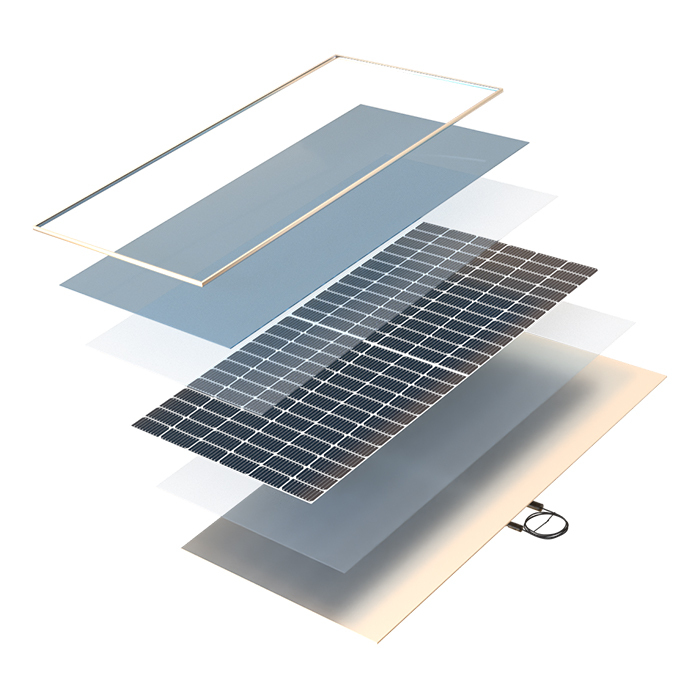
Changes in PV module designs and components can have big impacts to reliability and performance, and the industry's certification tests are typically not rigorous enough to identify these potential issues. Module warranties often have shortcomings that leave site owners exposed to significant financial losses.
Kiwa PVEL's PV Module PQP is a comprehensive protocol of tests focused on addressing these concerns and helping module buyers achieve better procurement.
Use real data instead of assumptions
Consistent benchmarking across all products
Factory witness removes hand-picked samples
PQP stays current with module technology. Latest update April 2026
To be eligible for the 2026 Scorecard, manufacturers must have:

Completed PQP sample production factory witness after November 1, 2024, and have at least one new Top Performer-achieving result not included in the 2025 Scorecard.
Submitted at least two factory-witnessed PV module samples to all PQP reliability tests, as per Kiwa PVEL's BOM test requirements.
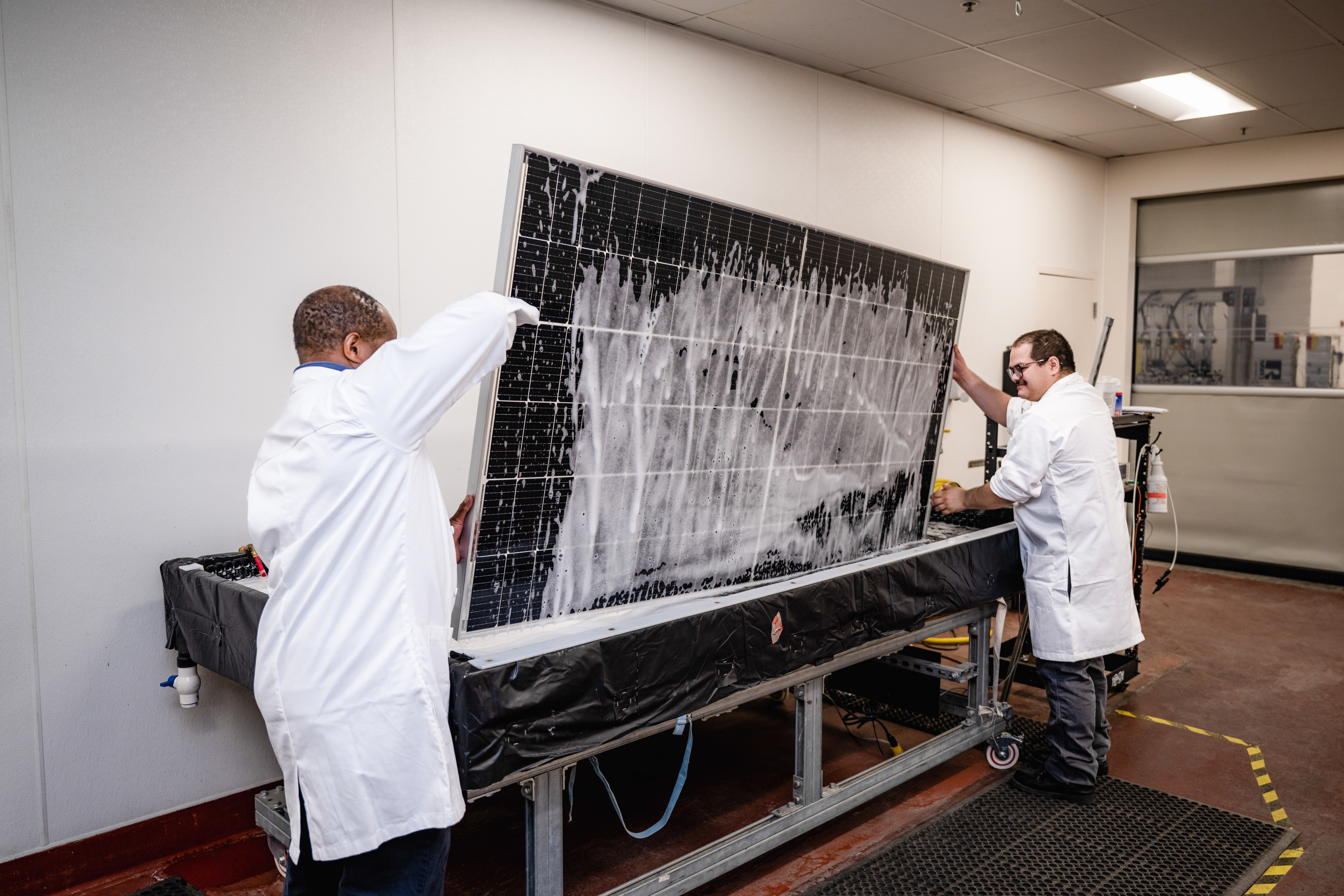
The 2026 PV Module Reliability Scorecard lists Top Performers for eight PQP test categories. To be listed as a Top Performer in a particular test, the modules must not have experienced a wet leakage failure, a 'major' defect during visual inspection or a diode failure during that particular test.


Receive more detailed Scorecard data every quarter, sent directly to your inbox.
